Hoe’s Odes: From Distant Void to Cool Grass - A Poetic Journey Through Ancient Chinese Lyricism
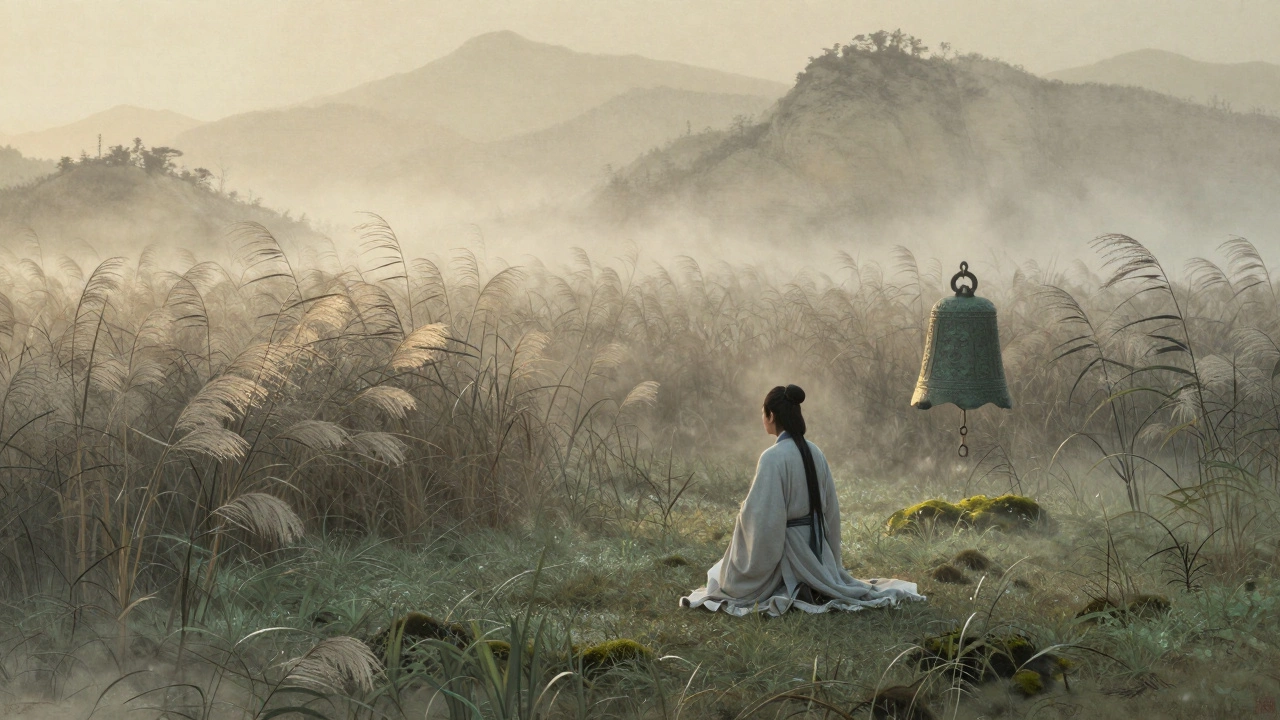
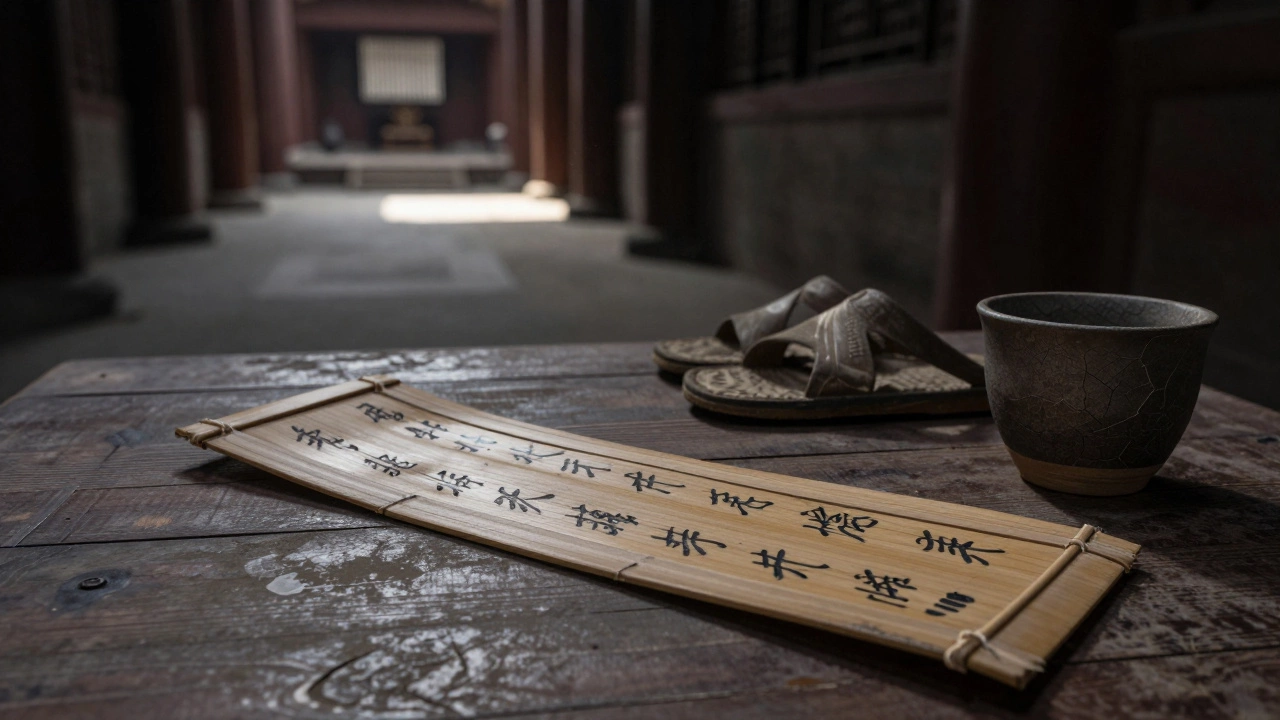
When you read the odes of Hoe - yes, that Hoe - you don’t just hear poetry. You hear the wind moving through reeds beside a forgotten river, the quiet shuffle of sandals on damp earth, the distant chime of a bronze bell in a temple no one visits anymore. These aren’t verses meant for applause. They were carved into bamboo slips, passed hand to hand, whispered between scholars who knew the weight of silence. The title From Distant Void to Cool Grass isn’t poetic flourish. It’s a map. One that leads from emptiness - the space between breaths, the pause before dawn - to something real, tangible, alive: cool grass under bare feet after rain.
There’s a strange comfort in knowing that people 2,500 years ago felt the same quiet ache we do. They too wondered what came after loss. They too stared at the sky and asked why the stars didn’t answer. If you ever found yourself scrolling late at night, looking for something that felt real - maybe even searching for an escort in dubai not for lust, but for the hollow warmth of human contact - then you’ve already walked part of Hoe’s path. The longing is the same. The silence just wears different clothes.
The Man Behind the Bamboo
Hoe isn’t a name you find in textbooks with bold fonts and birthdates. He’s more like a shadow in the margins. Some say he was a minor official in the Zhou court. Others claim he was a wandering poet who lost his family to war. What’s certain is this: he didn’t write for fame. He wrote because the world had become too loud, and his heart was too quiet to stay silent.
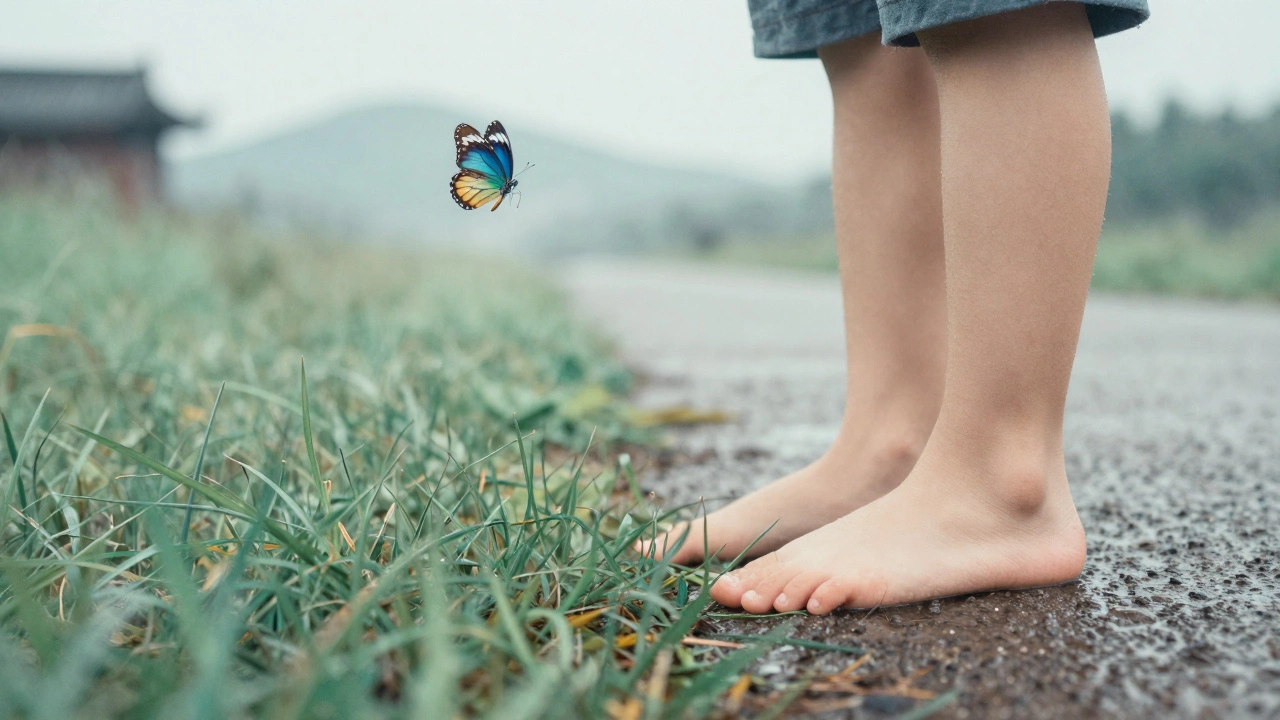
His odes - 160 of them, stitched together in the Book of Odes - are the oldest surviving collection of Chinese poetry. Not epic tales of gods and dragons. Not political manifestos. Just moments. A woman gathering mulberry leaves. A soldier missing his wife. A child chasing a butterfly that vanishes into mist. Each poem is a single breath held too long.
From Distant Void: The Silence Before the Song
The phrase distant void isn’t metaphorical here. It’s literal. In ancient Chinese cosmology, the void wasn’t nothingness. It was potential. The space before the first note, the pause between heartbeats, the empty bowl waiting to be filled. Hoe didn’t try to fill it. He let it breathe.
Take Ode 14: ‘The wind blows cold through the valley. No one walks here now.’ That’s it. No explanation. No moral. No resolution. Just observation. And yet, in those eight characters, you feel the weight of abandonment. The chill of loneliness. The echo of footsteps that will never return.
Modern poets chase originality. Hoe chased truth. He didn’t need metaphors to explain grief. He just showed you the empty road. And that was enough.
Cool Grass: The Return to the Body
Then comes the shift. The void doesn’t vanish. But something else appears. Cool grass. Not golden fields. Not fragrant flowers. Cool grass. The kind that grows wild, unclaimed, uncelebrated. The kind you sit on when you’ve had enough of talking.
In Ode 72: ‘I kneel on the grass. It is cool. It does not ask why.’ That’s the pivot. The poem doesn’t solve anything. But it offers presence. The grass doesn’t judge. It doesn’t need an answer. It just is. And in that simple, quiet being, there’s healing.
This isn’t spirituality. It’s somatics. The body remembers what the mind forgets. The coolness of grass against skin. The smell of wet earth. The sound of a single cricket. These are the anchors. The things that pull you back from the edge of the void.
Why These Poems Still Matter
Today, we’re drowning in noise. Algorithms feed us outrage. Notifications demand attention. Even our silence is scheduled - 10-minute meditation apps, breathwork timers, guided stillness. We’ve turned peace into a product.
Hoe’s odes don’t sell you calm. They don’t promise results. They don’t even ask you to feel better. They just say: Look. Listen. Be here. And if you can do that - even for one line - you’ve done more than most modern poets ever manage.
There’s a reason these poems survived 2,500 years. Not because they were beautiful. But because they were honest. They didn’t try to fix the world. They just sat with it. And in that sitting, they became timeless.
What You Can Take From This
You don’t need to read all 160 odes. You don’t need to study classical Chinese. You don’t need to understand the political context of the Zhou dynasty.
What you need is one moment. One day. Wake up. Step outside. Don’t check your phone. Just feel the ground under your feet. Notice the temperature. The way the air moves. The quiet hum of life that doesn’t need your attention to exist.
That’s the lesson. That’s the gift. Cool grass doesn’t care if you’re rich or broken. It doesn’t care if you’ve lost someone. Or if you’ve never known love. It’s just there. Cool. Quiet. Real.
And if you’re lucky, one morning, you’ll sit on it. And for the first time in a long time, you won’t feel the need to say anything at all.
Maybe that’s why someone, somewhere, still searches for a call girl in dubai - not for pleasure, but for the illusion of being seen. Hoe knew that feeling. He just wrote it differently.
And if you’re still looking for connection in all the wrong places - maybe you’ve already found the WhatsApp group. Maybe you’ve already typed the words: dubai call girl group whatsapp number. But the real question isn’t who’s on the other end. It’s whether you’re ready to sit in silence - and let the grass speak.